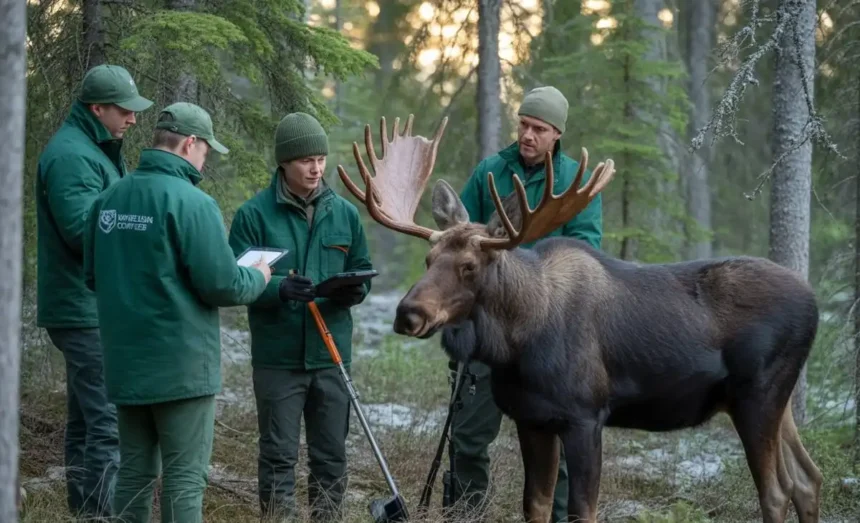
Norway is known for its forests, mountains, and rich biodiversity. However, managing wildlife in such vast landscapes requires strong systems and local coordination. This is where Viltnemnda becomes essential. The committee plays a central role in maintaining balance between humans and wildlife. It ensures animals are protected while communities remain safe. From hunting regulations to conservation programs, Viltnemnda reflects Norway’s structured approach to sustainable wildlife management and long-term environmental responsibility.
What Is Viltnemnda and Why It Matters
Viltnemnda is a local wildlife committee responsible for managing animal populations and ensuring legal compliance in Norway. It works closely with municipalities, hunters, and environmental experts. The goal is not only to protect wildlife but also to prevent conflict between humans and animals. Through careful monitoring and planning, the committee maintains ecological balance. Its decisions affect hunting quotas, conservation policies, and community safety, making it one of the most important local authorities in Norway’s wildlife management system.
Legal Framework Behind Viltnemnda
The operations of Viltnemnda are guided by Norway’s environmental laws. The Nature Diversity Act and Wildlife Act form the legal backbone for wildlife protection. These laws ensure that ecosystems are preserved and hunting remains sustainable. Committees must follow scientific data when setting quotas or handling wildlife issues. This legal structure ensures transparency and accountability. As a result, it functions within a clear system that prioritizes conservation while allowing responsible use of natural resources by local communities.
How Viltnemnda Manages Human-Wildlife Conflict
Human-wildlife conflict can occur when animals enter farms or roads. Viltnemnda works to prevent accidents and damage through structured planning. It installs wildlife crossings, recommends fencing, and sets hunting quotas to control populations. These steps reduce collisions and crop losses. The committee also ensures injured animals receive humane care. By balancing safety and conservation, it protects both people and wildlife. This approach reflects Norway’s commitment to coexistence rather than confrontation between humans and nature.
Structure and Composition of the Committee
Each municipality has its own Viltnemnda committee. Members usually include wildlife experts, local officials, and community representatives. This structure ensures decisions reflect both scientific knowledge and local realities. Hunters and landowners may also provide input. Their involvement improves policy acceptance and effectiveness. The committee meets regularly to discuss wildlife trends, complaints, and planning strategies. This collaborative structure strengthens trust between authorities and citizens while ensuring wildlife management remains practical and responsive to regional needs.
Key Responsibilities of Viltnemnda
Viltnemnda performs several essential tasks that keep ecosystems stable and communities safe. Its responsibilities cover population control, conservation, and public education.
- Setting hunting quotas based on scientific data
- Managing wildlife damage compensation
- Handling injured animals and road incidents
- Educating the public on conservation
These duties ensure that wildlife populations remain healthy and sustainable. By combining regulation with education, Viltnemnda supports long-term ecological balance across Norway’s diverse regions.
Technology in Wildlife Monitoring
Modern technology helps Viltnemnda make accurate decisions. GPS tracking allows experts to monitor migration patterns and animal behavior. Drones and camera traps provide real-time data from remote areas. This information supports better planning and reduces risk of conflict. Technology also improves transparency in wildlife management. With data-driven insights, the committee can adjust hunting quotas and conservation measures quickly. As a result, it combines traditional knowledge with modern tools to improve wildlife protection.
Community Involvement and Public Awareness
Community participation is a key part of Viltnemnda’s success. The committee regularly holds consultations and workshops. Residents can report wildlife sightings and share concerns. This feedback helps shape policies that fit local needs. Educational programs also teach responsible hunting and environmental care. When communities understand wildlife systems, cooperation improves. it encourages shared responsibility for nature. This collaborative approach ensures long-term conservation goals are supported by both authorities and local residents.
Real Case Study: Moose Management in Rural Norway
In one Norwegian municipality, frequent moose-vehicle collisions became a major issue. Viltnemnda responded by studying migration routes and installing wildlife crossings. Hunting quotas were adjusted to stabilize the population. Public awareness campaigns informed drivers about high-risk zones. Within two years, collision rates dropped significantly. This case shows how coordinated planning can solve real problems. It also highlights the importance of data, community cooperation, and long-term strategy in effective wildlife management.
Challenges Facing Viltnemnda Today
Despite strong systems, wildlife management faces modern challenges. Climate change affects migration and breeding patterns. Urban expansion reduces natural habitats. These factors require constant adaptation. Viltnemnda must update policies and monitor environmental changes carefully. Funding and resource allocation can also be challenging. However, collaboration with national agencies and research institutions helps address these issues. By staying flexible and informed, Viltnemnda continues to protect Norway’s biodiversity in a rapidly changing world.
Future of Viltnemnda and Wildlife Conservation
The future of wildlife management will rely on innovation and cooperation. Viltnemnda is expected to adopt more digital monitoring tools and data analytics. International collaboration may also increase as global environmental challenges grow. Education and community engagement will remain central. Sustainable hunting and habitat protection will continue to guide policies. By combining tradition with technology, Viltnemnda will likely remain a model for balanced wildlife management in Europe.
Conclusion
Viltnemnda represents a structured and responsible approach to wildlife management. It balances conservation with community needs through law, science, and cooperation. By regulating hunting, preventing conflict, and promoting education, the committee protects both ecosystems and people. As environmental challenges grow, its role becomes even more important. Understanding how Viltnemnda works offers valuable insight into sustainable wildlife management and the importance of local participation in protecting nature for future generations.
FAQs
- What does Viltnemnda do?
Viltnemnda manages wildlife populations, regulates hunting, and resolves human-animal conflicts. It ensures sustainable conservation practices. - Is Viltnemnda a government body?
It operates at the municipal level but follows national environmental laws. It works with local authorities and communities. - How does Viltnemnda protect wildlife?
It sets hunting quotas, monitors populations, and promotes conservation education. It also uses technology for tracking and research. - Can citizens interact with Viltnemnda?
Yes. Residents can report wildlife issues, attend consultations, and participate in community programs. - Why is Viltnemnda important?
It maintains ecological balance while protecting communities. Its work ensures sustainable wildlife management in Norway.