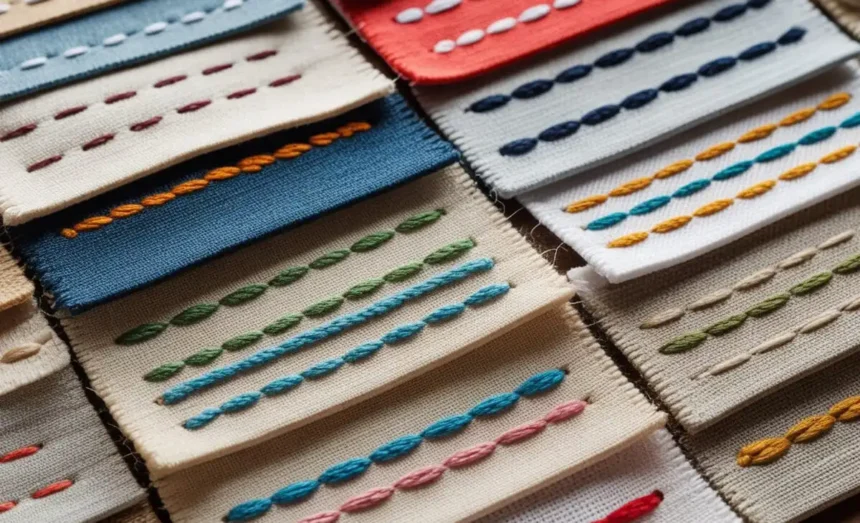
If you sew regularly, you’ve likely heard the word nahttypen. This German term means “seam types,” and it represents one of the most important foundations of sewing. The right seam can strengthen a garment, improve durability, and enhance visual appeal. The wrong seam can cause fraying, discomfort, or poor structure.
In this complete guide, we’ll explore nahttypen in detail. You’ll learn their purpose, characteristics, selection criteria, and practical tips. Whether you are a beginner or experienced sewist, understanding nahttypen will transform your fabric projects.
What Are Nahttypen and Why They Matter in Sewing
Nahttypen refers to the various methods used to join fabric pieces together. Each seam type serves a specific structural and aesthetic purpose. Some provide strength for heavy-duty garments. Others create elegant finishes for delicate fabrics.
Choosing the correct nahttypen ensures durability and comfort. For example, sportswear requires stretch-friendly seams, while formal garments demand clean internal finishes. Seam selection directly impacts how your final product looks and performs. Understanding these differences is the first step toward professional-level sewing results.
The Role of Nahttypen in Durability and Fabric Strength
Seams carry tension. Every time you move, stretch, sit, or wash a garment, stress applies to seam lines. That is why selecting a strong nahttypen is essential for items like jeans, uniforms, or children’s clothing.
Flat fell seams, for instance, are known for their durability. They enclose raw edges and distribute tension evenly. Meanwhile, lightweight seams may work well for decorative garments but fail under pressure. Durability depends not only on stitching technique but also on thread type and seam allowance accuracy.
5 Most Common Nahttypen Used in Sewing Projects
Below are five widely used nahttypen and their primary characteristics:
- Straight Seam: Basic, clean, and versatile for most woven fabrics.
- French Seam: Elegant enclosed finish for lightweight or sheer fabrics.
- Zigzag Seam: Flexible seam ideal for knits and stretch materials.
- Flat Fell Seam: Strong and durable, often used in jeans and shirts.
- Overlock Seam: Prevents fraying and offers elasticity with serger machines.
These seam types cover most beginner and intermediate sewing needs. Mastering them provides a strong technical foundation.
Straight Seam: The Foundation of Many Nahttypen
The straight seam is the simplest and most frequently used seam. It joins two fabric pieces with a single, straight stitch line. This seam works well for structured fabrics like cotton, linen, and light denim.
Its simplicity makes it ideal for beginners. However, precision matters. Maintaining equal seam allowances ensures professional results. Pressing seams properly also improves appearance. Though basic, this seam forms the base for countless garment constructions and remains essential among nahttypen.
French Seam: Clean Finish for Delicate Fabrics
The French seam is elegant and refined. It encloses raw edges inside the seam, preventing fraying and creating a smooth interior. This seam is perfect for chiffon, silk, and other lightweight materials.
Construction involves stitching twice—first wrong sides together, then right sides together. While it requires extra effort, the result looks polished and professional. Many formal blouses and sheer dresses use this technique. Among nahttypen, it stands out for both beauty and durability in delicate garments.
Zigzag Seam: Flexibility for Stretch and Knit Projects
The zigzag seam provides elasticity. Its wave-like stitch pattern allows fabric to stretch without breaking threads. This makes it ideal for knit fabrics and activewear.
Beyond flexibility, zigzag stitching also reduces fraying. It works well as an edge-finishing technique. By adjusting stitch width and length, you can customize performance. For home sewists without a serger, zigzag seams offer a practical and affordable alternative within essential nahttypen options.
Flat Fell Seam: Strength Meets Professional Appearance
The flat fell seam is known for durability and clean structure. It folds one seam allowance over the other, enclosing raw edges completely. This creates a double-stitched finish visible on the outside.
Commonly used in jeans and work shirts, this seam handles heavy wear. Although it requires careful folding and pressing, the final result is strong and refined. Among all nahttypen, it remains a top choice for projects requiring both strength and aesthetic appeal.
Overlock Seam: Modern Efficiency in Nahttypen
The overlock seam is created using a serger machine. It trims excess fabric while stitching, sealing raw edges at the same time. This prevents unraveling and adds flexibility.
Overlock seams are essential for knitwear and professional garment finishing. They save time and deliver clean edges quickly. Though specialized equipment is required, the efficiency and polished results make it a valuable technique in modern sewing practices.
How to Choose the Right Nahttypen for Your Project
Selecting the correct seam depends on several factors. Consider these essentials:
- Fabric Type: Lightweight fabrics need delicate seams; heavy fabrics need reinforced seams.
- Project Function: Clothing under stress requires durable seams.
- Wash Frequency: Frequently washed garments need secure finishes.
- Skill Level: Some seams demand advanced folding and precision.
- Desired Look: Decorative seams may enhance visible design lines.
Evaluating these elements helps ensure your seam complements both structure and style.
Real Case Study: Choosing Nahttypen for a Denim Jacket
A small tailoring workshop received an order for custom denim jackets. Initially, they used simple straight seams to save time. After customer feedback about seam stress during movement, they reassessed.
They switched to flat fell seams for shoulder and side panels. The durability improved significantly. Customers reported better comfort and long-term wear resistance. This case highlights how selecting the appropriate nahttypen directly influences product quality and client satisfaction.
Practical Tips for Sewing Different Nahttypen Successfully
Success with nahttypen depends on preparation and patience. Always test stitches on scrap fabric before sewing final pieces. This prevents costly mistakes.
Use quality thread and match needle type to fabric weight. Press seams after stitching for a professional finish. Keep stitch tension balanced and avoid rushing complex folds like flat fell seams.
With consistent practice, seam construction becomes smoother. Over time, your confidence will grow, and your projects will reflect higher craftsmanship standards.
Conclusion: Mastering Nahttypen Elevates Your Sewing Skills
Understanding nahttypen is not just technical knowledge. It is the foundation of durable and beautiful sewing projects. From straight seams to overlock finishes, each seam type plays a specific role.
When you match the right seam to the right fabric, results improve instantly. Your garments last longer. They look cleaner. They feel more comfortable. By mastering essential nahttypen, you gain creative freedom and professional-level confidence in every stitch.
FAQs About Nahttypen
- What does nahttypen mean?
Nahttypen means seam type in German. It refers to different methods used to join fabric pieces. - Which seam is strongest for heavy fabrics?
Flat fell seams are among the strongest. They distribute tension evenly and enclose raw edges. - Are French seams good for beginners?
Yes, but they require practice. They are ideal for lightweight and delicate fabrics. - Do I need a serger for overlock seams?
Yes, an overlock seam typically requires a serger machine for trimming and stitching simultaneously. - How do I prevent seams from fraying?
Use zigzag or overlock seams. Finishing raw edges properly increases durability and lifespan.