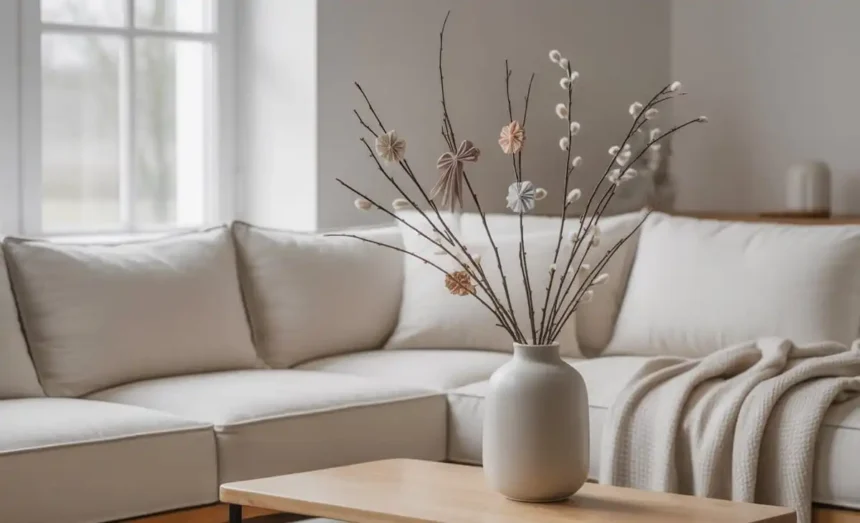
Pyntekvister is a Norwegian term that means decorative branches. Yet the concept goes beyond simple twigs in a vase. Pyntekvister represents a design philosophy rooted in calmness, balance, and connection to nature. In Scandinavian homes, these branches are not random decorations. Instead, they are intentional elements chosen to create harmony. This guide explores their meaning, history, styling techniques, and practical value in modern interiors.
What Are Pyntekvister?
Pyntekvister are branches arranged purely for decorative purposes. They may be freshly cut, dried, or artificial. Most are displayed in simple vases or hung carefully on walls. The goal is not extravagance but subtle impact. Their height draws the eye upward. Their texture adds softness. Because they are natural in form, they introduce organic movement into otherwise structured spaces.
Unlike loud decorative pieces, pyntekvister blend into their surroundings. They create an atmosphere without overwhelming a room. That balance is what makes them timeless.
The Scandinavian Design Philosophy Behind Pyntekvister
Scandinavian design values simplicity, function, and natural materials. In Norway and Sweden, interiors often avoid clutter. Instead, homeowners choose fewer items with greater meaning. Pyntekvister fit perfectly into this philosophy. They require minimal effort but deliver visual depth.
Long winters also influence Nordic design. When greenery disappears outdoors, decorative branches bring nature inside. This subtle connection reduces the feeling of isolation. It reinforces emotional comfort. Therefore, pyntekvister are not just aesthetic choices. They are cultural responses to climate and lifestyle.
Why Pyntekvister Remain Popular in Modern Homes
Pyntekvister continue to trend because they adapt easily to modern spaces. Minimalist apartments, rustic cabins, and contemporary houses all benefit from natural accents. Decorative branches work well with neutral tones like white, beige, and gray.
They also provide flexibility. You can change them seasonally without redesigning your entire space. In addition, they are affordable. Many people collect branches responsibly from their gardens. Others invest in high-quality artificial versions for long-term use. This accessibility keeps them relevant across generations.
Seasonal Styling Ideas for Pyntekvister
Seasonal adaptability is one reason pyntekvister remain a favorite in Nordic interiors.
- Spring: Flowering branches such as cherry or apple blossoms bring freshness and renewal.
- Summer: Green leafy twigs add vibrancy and life.
- Autumn: Bare branches with warm-toned leaves create a cozy contrast.
- Winter: Minimal branches decorated with subtle lights enhance warmth.
Because they transform with the seasons, pyntekvister never feels outdated. A small change creates a new mood without significant expense.
Creative Ways to Style Pyntekvister at Home
Decorative branches can be styled in multiple elegant ways.
- Place tall branches in a floor vase to add vertical drama.
- Use shorter twigs as dining table centerpieces.
- Wrap fairy lights around them for a soft evening ambiance.
- Hang lightweight ornaments during festive seasons.
- Mount branches on walls for rustic texture.
The key is restraint. Overdecorating defeats their purpose. Keep arrangements simple so the natural form remains the focus.
Sustainability and Eco-Friendly Appeal
Modern consumers value sustainability. Pyntekvister naturally aligns with this mindset. Fresh branches can be sourced responsibly without harming trees. Dried branches last for months or even years. Artificial versions reduce repeated purchasing.
Compared to mass-produced décor items, branches leave a smaller environmental footprint. They require no complex manufacturing. They also encourage mindful decorating. Instead of buying trends, homeowners reuse natural elements creatively. This eco-conscious appeal strengthens their global popularity.
Real-Life Case Study: A Small Apartment Transformation
Consider Maria, a student living in a compact Oslo apartment. Her space felt plain and slightly cold. Instead of purchasing expensive décor, she introduced a tall glass vase with simple birch branches.
Within days, the atmosphere shifted. The room appeared taller. Natural light reflected beautifully through the branches. During winter, she added subtle warm lights. The entire transformation cost very little, yet the visual effect was significant. This example shows how a pyntekvister can elevate a space without renovation.
Cultural Symbolism and Emotional Meaning
In Nordic traditions, branches often symbolize renewal and life. During winter celebrations, bare branches represent hope during dark months. In spring, blooming twigs signal fresh beginnings. These subtle meanings deepen emotional attachment.
Because Scandinavian design emphasizes well-being, decorative choices often carry psychological value. Pyntekvister support calmness. Their natural shapes reduce visual stress. In a fast-paced world, such quiet symbolism feels grounding. This emotional layer makes them more than simple decorative items.
Maintenance and Practical Care Tips
Fresh pyntekvister require minimal care. Trim the ends before placing them in water. Change water every few days. Keep them away from direct heat. This preserves freshness longer.
Dried branches need occasional dusting. Artificial ones may only require gentle cleaning. Maintenance is simple compared to caring for houseplants. Therefore, they suit busy individuals who want natural aesthetics without heavy responsibility.
The Long-Term Value of Pyntekvister
Trends change quickly. However, pyntekvister have remained relevant for decades. Their simplicity prevents them from feeling outdated. They complement evolving furniture styles. They also adapt to personal taste changes.
Because they are inexpensive and flexible, homeowners experiment freely. Over time, decorative branches become part of a lifestyle rather than a passing trend. Their quiet presence proves that minimal design can still feel warm and expressive.
Conclusion: Why Pyntekvister Still Matter Today
Pyntekvister demonstrate how simplicity creates impact. These decorative branches reflect Scandinavian values of balance, sustainability, and connection to nature.
- They enhance spaces without clutter.
- They evolve with seasons.
- They require little maintenance.
Whether you live in a Nordic country or elsewhere, pyntekvister offer a practical and elegant solution for modern interiors. Their understated beauty reminds us that thoughtful design often begins with the simplest natural elements.
FAQs
- What does pyntekvister mean?
Pyntekvister is a Norwegian word meaning decorative branches used in home décor. - Are pyntekvister only used in Scandinavia?
No. While rooted in Nordic design, they are now popular globally in minimalist interiors. - Can I use artificial pyntekvister?
Yes. Artificial branches offer long-term use and require almost no maintenance. - Are pyntekvister eco-friendly?
Natural branches collected responsibly are sustainable and environmentally friendly. - How often should fresh branches be replaced?
It depends on the type, but typically every one to two weeks for freshness.