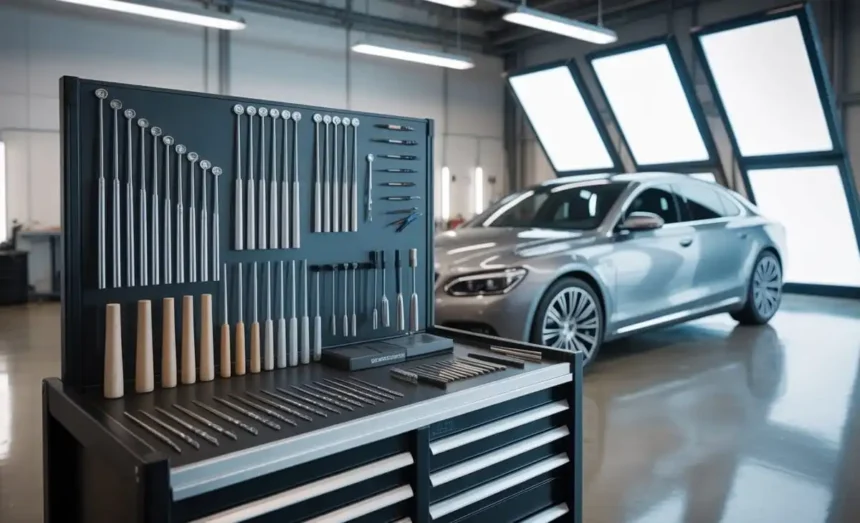
Vehicle owners often face a common problem: dents caused by hailstorms, parking mishaps, or minor collisions. Traditional repair methods usually involve sanding, filling, and repainting the damaged panel. These processes can be expensive, time-consuming, and may even reduce a vehicle’s resale value. This is where an Ausbeulstation becomes extremely useful.
An Ausbeulstation is a professional workstation designed for paintless dent repair (PDR). Instead of repainting or replacing parts, it focuses on restoring the original shape of the metal panel. Technicians use specialized tools and techniques to carefully push or pull dents back to their original form. The result is a clean repair that preserves the car’s factory paint and structural integrity.
With growing demand for faster and more environmentally friendly repairs, paintless dent repair systems are becoming standard equipment in modern workshops. Understanding how these stations work can help both professionals and car enthusiasts make better decisions when dealing with vehicle damage.
Understanding the Role of an Ausbeulstation in Modern Auto Repair
Modern automotive repair has evolved significantly over the past few decades. Earlier repair methods relied heavily on body fillers, sanding equipment, and repainting procedures. While effective, these techniques often required several hours or even days to complete a single repair.
An Ausbeulstation introduced a more efficient solution. By focusing on paintless dent repair, technicians can restore damaged panels without affecting the original paint layer. This method not only speeds up the process but also maintains the vehicle’s authenticity.
Many automotive workshops now integrate these stations as part of their core equipment. They allow technicians to handle multiple repairs within a shorter timeframe. Customers benefit from lower repair costs and quicker service, while repair shops increase their productivity and reputation for high-quality work.
The growing popularity of this technology reflects a broader shift toward efficient and sustainable automotive maintenance.
How Paintless Dent Repair Works with an Ausbeulstation
Paintless dent repair is the central technique used in any dent repair station. The process involves carefully reshaping the metal panel from behind the dent or pulling it outward using specialized glue tabs.
Technicians typically begin by inspecting the damaged area under special lighting. Reflection boards or LED lamps help highlight the exact shape and depth of the dent. Once the damage is clearly visible, the technician selects appropriate tools such as rods or pull tabs.
The repair process requires patience and precision. Small movements gradually massage the metal back to its original shape. Because the paint remains untouched, the repair often becomes almost invisible once completed.
This approach is particularly effective for minor dents, hail damage, and parking lot impacts. In many cases, a repair that once required repainting can now be completed in less than an hour.
Types of Ausbeulstation Systems Available
Automotive repair shops use different types of dent repair systems depending on their needs and scale of operations. Some workshops prefer compact setups, while larger facilities invest in advanced stations with additional features.
Common types include:
- Manual Ausbeulstation setups designed for small workshops or mobile technicians
- Hydraulic dent repair stations offering stronger leverage for larger dents
- Electronic systems with advanced lighting that improve dent visibility and accuracy
- Mobile PDR stations used by technicians who perform on-site repairs for customers
Each system serves a specific purpose. Smaller setups are affordable and portable, making them ideal for independent technicians. Larger stations offer enhanced stability and additional tools that help professionals manage complex repairs more efficiently.
Choosing the right system depends on the type of repairs performed and the available workspace.
Essential Tools Found in a Professional Ausbeulstation
A dent repair station includes a variety of tools designed to manipulate metal panels with precision. These tools allow technicians to handle different dent sizes and shapes without damaging the paint.
Important tools typically include:
- Dent rods and leverage tools used to push metal panels back into shape
- Glue pulling kits that attach tabs to the dent and gently pull it outward
- Knockdown hammers used to smooth out high spots during repair
- LED reflection boards that help technicians identify dent contours clearly
- Protective accessories such as gloves and panel covers to ensure safety
Each tool plays a specific role in achieving a flawless repair. Experienced technicians understand how to combine these tools to achieve smooth results without overworking the metal surface.
Maintaining these tools properly is also essential. Regular cleaning and inspection ensure consistent performance and extend the lifespan of the equipment.
Benefits of Using an Ausbeulstation for Dent Repair
Paintless dent repair systems provide several advantages compared to traditional repair techniques. One of the most significant benefits is time efficiency. Small dents that previously required hours of sanding and painting can now be repaired much faster.
Another major benefit is cost savings. Since repainting materials and extensive labor are not required, repair costs remain relatively low. Vehicle owners appreciate the affordability of this method, especially for minor damage.
Preserving the original paint also protects the car’s resale value. Factory paint finishes are difficult to replicate perfectly, so maintaining the original surface is always preferable.
Environmental benefits also play a role. Traditional body repair involves chemicals, paints, and solvents. Paintless dent repair reduces these materials, making the process more eco-friendly.
Real Case Study: A Workshop Using an Ausbeulstation
A mid-sized automotive workshop in Germany faced frequent customer requests for hail damage repairs. During severe storms, dozens of vehicles arrived with multiple small dents across their panels.
Before adopting paintless repair technology, technicians had to sand and repaint entire sections of the vehicle body. Each repair could take several days to complete, creating long waiting lists for customers.
After investing in a professional dent repair station, the workshop dramatically improved efficiency. Technicians could repair multiple hail dents within a single day. Customers received their vehicles faster, and the workshop increased its daily service capacity.
Within a year, the shop reported higher customer satisfaction and increased revenue. This example demonstrates how modern repair technology can transform both productivity and customer experience.
Common Challenges When Using
Although paintless dent repair is highly effective, certain situations can make the process more difficult. Deep creases or dents located near sharp body lines often require advanced skills.
Beginners sometimes struggle with applying the correct amount of pressure. Too much force may stretch the metal or damage the paint. Too little pressure might leave the dent partially visible.
Another challenge involves limited access behind certain panels. Some areas of a vehicle’s body structure restrict tool movement, making repairs more complex.
Training and experience help technicians overcome these obstacles. Many professionals attend specialized courses where they learn advanced techniques for handling difficult dent scenarios.
With practice, technicians can gradually handle more complex repairs with confidence.
Tips for Choosing the Right Ausbeulstation for Your Workshop
Selecting the right dent repair station requires careful evaluation of several factors. Workshops must consider their workload, available space, and budget before making a purchase.
First, assess the type of repairs performed most frequently. If the workshop mainly handles small dents, a compact manual system may be sufficient. Larger repair facilities might benefit from hydraulic systems that provide additional power and stability.
Second, consider the quality of included tools. High-quality rods, glue kits, and lighting systems significantly improve repair precision. Investing in reliable equipment prevents frustration and ensures better results.
Finally, review manufacturer reputation and customer feedback. Trusted brands often provide better durability and long-term support, making them a safer investment for professional workshops.
The Future of Dent Repair Technology
Automotive repair technology continues evolving as manufacturers develop new tools and techniques. Paintless dent repair systems are also becoming more advanced.
Improved LED lighting systems now provide clearer reflections, allowing technicians to identify even the smallest dents. Digital scanning tools may soon assist in analyzing dent depth and positioning.
Portable repair stations are also gaining popularity. These systems allow technicians to perform on-site repairs at customer locations, providing greater convenience.
As the automotive industry emphasizes sustainability and efficiency, paintless repair technology will likely play an even larger role in vehicle maintenance.
Conclusion
Automotive repair methods are constantly improving, and modern solutions now focus on efficiency and precision. The Ausbeulstation represents a significant advancement in dent repair technology by enabling technicians to restore vehicle panels without damaging the original paint.
By using specialized tools and careful techniques, an Ausbeulstation allows workshops to perform faster, more affordable repairs while maintaining the vehicle’s value. This approach benefits both repair professionals and car owners who want reliable results without extensive bodywork.
As demand for eco-friendly and cost-effective repairs grows, paintless dent repair systems will continue to become an essential part of modern automotive workshops. Understanding how these systems work helps technicians and enthusiasts achieve professional-quality results while preserving the beauty of the vehicle.
FAQs
- What is an Ausbeulstation used for?
An Ausbeulstation is used for paintless dent repair, allowing technicians to remove dents from vehicles without repainting the surface. - Can all dents be repaired with an Ausbeulstation?
No. Small and medium dents without paint damage are ideal for paintless repair, but deep creases may require traditional methods. - Is paintless dent repair better than traditional repair?
For minor damage, it is faster, cheaper, and preserves the original paint, making it a preferred option. - Do professionals need special training to use an Ausbeulstation?
Yes. Proper training helps technicians learn precise techniques required to repair dents without damaging the paint. - How long does a typical paintless dent repair take?
Most small dents can be repaired within 30 minutes to a few hours depending on the severity of the damage.